Introduction
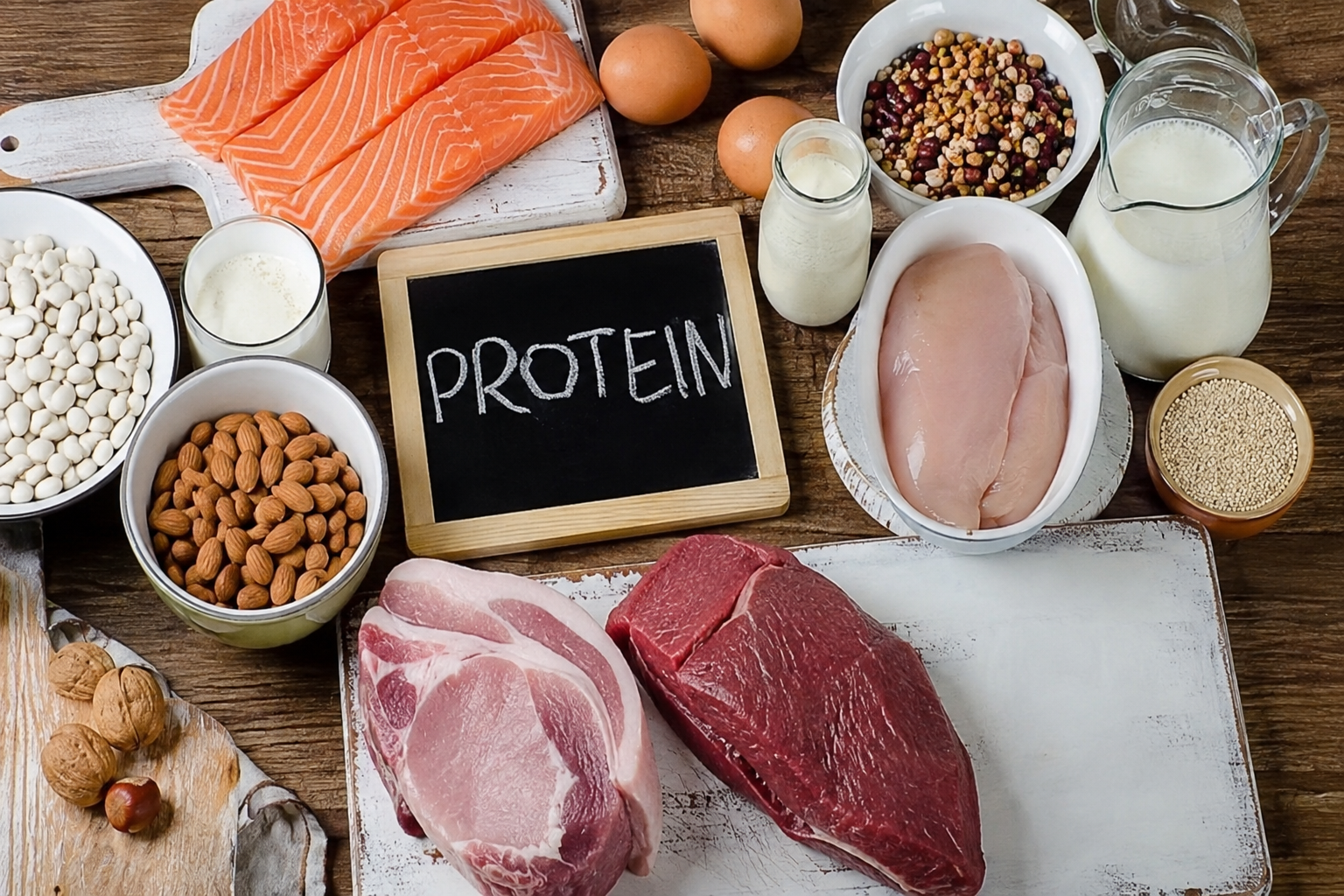
If your goal is to build lean muscle, lifting weights is only one part of the process. Your body also needs the right nutrition to repair damaged muscle fibers and help them grow stronger after every workout. Among all nutrients, protein plays the biggest role in muscle development. Eating enough high protein foods for muscle growth can improve recovery, increase strength, and support long term fitness goals.
Many people believe they need expensive supplements to gain muscle. The truth is that most of your protein can come from everyday foods that are affordable, delicious, and packed with essential nutrients. Whether you are a beginner, an athlete, or someone returning to fitness after a break, choosing the right protein rich foods can make a noticeable difference.
In this guide, I will share the best high protein foods for muscle growth, explain why protein is important, and show you how to include these foods in your daily meals.
Why Protein Is Important for Muscle Growth
Every workout creates tiny tears in your muscle fibers. This is a normal part of strength training. Your body repairs these fibers using amino acids, which are the building blocks of protein. As the muscles recover, they become stronger and slightly larger than before.
Without enough protein, your muscles cannot recover properly. This may slow down progress, reduce strength gains, and increase recovery time between workouts.
Most active people aiming for muscle growth should consume around 1.6 to 2.2 grams of protein per kilogram of body weight each day. Combining this with regular resistance training provides the best environment for muscle development.
Chicken Breast
Chicken breast is one of the most popular high protein foods for muscle growth. It is lean, easy to cook, and fits into almost any healthy meal plan.
A 100 gram serving contains around 31 grams of protein while remaining low in fat. It also provides important vitamins such as niacin and vitamin B6, which help support energy production.
Grilled chicken with rice and vegetables is one of the simplest meals for anyone trying to build muscle naturally.
Eggs
Eggs are considered one of the highest quality protein sources because they contain all nine essential amino acids.
One large egg provides around 6 grams of protein along with healthy fats, vitamins, and minerals. Egg yolks also contain choline, which supports brain function and muscle movement.
Eating whole eggs after exercise can support muscle recovery and provide your body with nutrients beyond just protein.
Greek Yogurt
Greek yogurt is an excellent choice for breakfast or as a healthy snack. It contains both fast digesting whey protein and slow digesting casein protein, making it ideal for supporting muscle growth throughout the day.
A single serving can provide between 15 and 20 grams of protein depending on the brand.
You can enjoy Greek yogurt with fresh berries, nuts, or oats for a balanced and satisfying meal.
Lean Beef
Lean beef offers a combination of high quality protein, iron, zinc, vitamin B12, and creatine. These nutrients work together to support strength, muscle recovery, and overall performance.
A 100 gram serving of lean beef contains approximately 26 grams of protein.
Choosing lean cuts helps reduce saturated fat while still providing all the muscle building benefits.
Fish
Fish is another outstanding protein source that supports muscle growth while providing healthy omega 3 fatty acids.
Salmon, tuna, cod, and tilapia are all excellent options.
Salmon contains around 25 grams of protein per serving and provides healthy fats that may help reduce inflammation after intense workouts.
Tuna is especially popular among athletes because it is high in protein, low in calories, and easy to prepare.
Cottage Cheese
Cottage cheese is often recommended by fitness experts because it contains large amounts of casein protein.
Casein digests slowly, providing your muscles with a steady supply of amino acids for several hours. This makes cottage cheese a great evening snack before bedtime.
One cup typically contains around 28 grams of protein, making it one of the best dairy options for muscle growth.
Turkey Breast
Turkey breast is another lean meat packed with protein. It provides around 30 grams of protein per 100 grams while remaining relatively low in fat.
Turkey also contains selenium, phosphorus, and several B vitamins that support metabolism and recovery.
It works well in sandwiches, salads, wraps, and healthy dinner recipes.
Lentils
Lentils are one of the best plant based protein foods available. They are rich in protein, fiber, iron, and complex carbohydrates.
One cooked cup contains approximately 18 grams of protein.
Although lentils do not provide all essential amino acids on their own, combining them with rice or whole grains creates a complete protein source.
Chickpeas
Chickpeas are another excellent option for people following vegetarian or vegan diets.
One cup of cooked chickpeas contains around 15 grams of protein along with fiber that supports healthy digestion.
You can add chickpeas to salads, soups, curries, or blend them into homemade hummus for a nutritious snack.
Tofu
Tofu is made from soybeans and is one of the few plant foods that provides complete protein.
A serving of tofu contains around 15 grams of protein while also providing calcium and iron.
It absorbs flavors well, making it suitable for stir fries, grilled dishes, and healthy meal bowls.
Milk
Milk provides a natural combination of protein, carbohydrates, vitamins, and minerals that support muscle recovery after exercise.
A glass of milk contains around 8 grams of protein along with calcium and vitamin D.
Many athletes drink milk after workouts because it helps replenish nutrients lost during exercise.
Protein Rich Nuts and Seeds
While nuts and seeds are not as high in protein as meat, they still contribute valuable nutrients to a muscle building diet.
Some excellent choices include:
Almonds
Pumpkin seeds
Peanuts
Chia seeds
Sunflower seeds
These foods also provide healthy fats, magnesium, and antioxidants that support overall health and workout recovery.
Quinoa
Quinoa is often called a superfood because it contains complete protein along with fiber, magnesium, and complex carbohydrates.
One cooked cup provides around 8 grams of protein.
It pairs well with chicken, vegetables, beans, or fish to create balanced meals that support muscle growth.
Oats
Oats are mainly known for carbohydrates, but they also provide a moderate amount of protein.
One cup of cooked oats contains around 6 grams of protein.
They also supply slow digesting carbohydrates that provide long lasting energy for workouts.
Adding milk, Greek yogurt, peanut butter, or protein powder can significantly increase their protein content.
Peanut Butter
Peanut butter offers a combination of protein, healthy fats, and calories that can help people who struggle to gain muscle weight.
Two tablespoons provide approximately 8 grams of protein.
Choose natural peanut butter without added sugar for the healthiest option.
How to Spread Protein Throughout the Day
Instead of eating all your protein in one meal, try to distribute it evenly across the day.
For example:
Breakfast with eggs and Greek yogurt.
Lunch with grilled chicken and rice.
Afternoon snack with cottage cheese.
Dinner with salmon and vegetables.
Evening snack with milk or yogurt.
This approach gives your muscles a steady supply of amino acids and may improve muscle protein synthesis.
Do You Need Protein Supplements?
Protein powders can be convenient, but they are not required for most people.
Whole foods provide protein along with vitamins, minerals, healthy fats, and fiber that supplements cannot fully replace.
If you struggle to meet your daily protein target through food alone, a quality whey or plant based protein shake can be a helpful addition after workouts.
However, real food should always form the foundation of your nutrition plan.
Common Mistakes That Slow Muscle Growth
Many people train hard but overlook important nutrition habits.
Some common mistakes include:
Not eating enough total protein.
Skipping meals after workouts.
Relying only on supplements.
Ignoring healthy carbohydrates.
Not drinking enough water.
Sleeping too little.
Building muscle requires consistency in both training and nutrition over time.
Sample High Protein Daily Meal Plan
A simple meal plan might look like this:
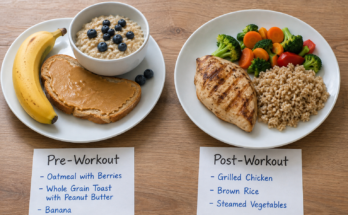
Breakfast includes scrambled eggs, oats, and a glass of milk.
Morning snack includes Greek yogurt with berries.
Lunch includes grilled chicken breast, brown rice, and vegetables.
Afternoon snack includes almonds and cottage cheese.
Dinner includes baked salmon with quinoa and broccoli.
Evening snack includes peanut butter on whole grain toast.
This type of meal plan provides protein throughout the day while supporting energy and recovery.
Conclusion
Choosing the right high protein foods for muscle growth is one of the smartest investments you can make in your fitness journey. Protein helps repair muscles after training, supports strength gains, and improves overall recovery. Fortunately, you do not need expensive supplements or complicated diets to see results.
Simple foods like chicken breast, eggs, fish, Greek yogurt, lean beef, lentils, tofu, cottage cheese, milk, quinoa, and nuts can easily help you reach your daily protein goals. Pair these nutritious foods with regular strength training, quality sleep, and consistent healthy eating habits, and your body will have everything it needs to build lean muscle naturally.
Stay patient, remain consistent, and focus on eating balanced meals every day. Over time, these small daily choices will lead to stronger muscles, better performance, and lasting fitness results.