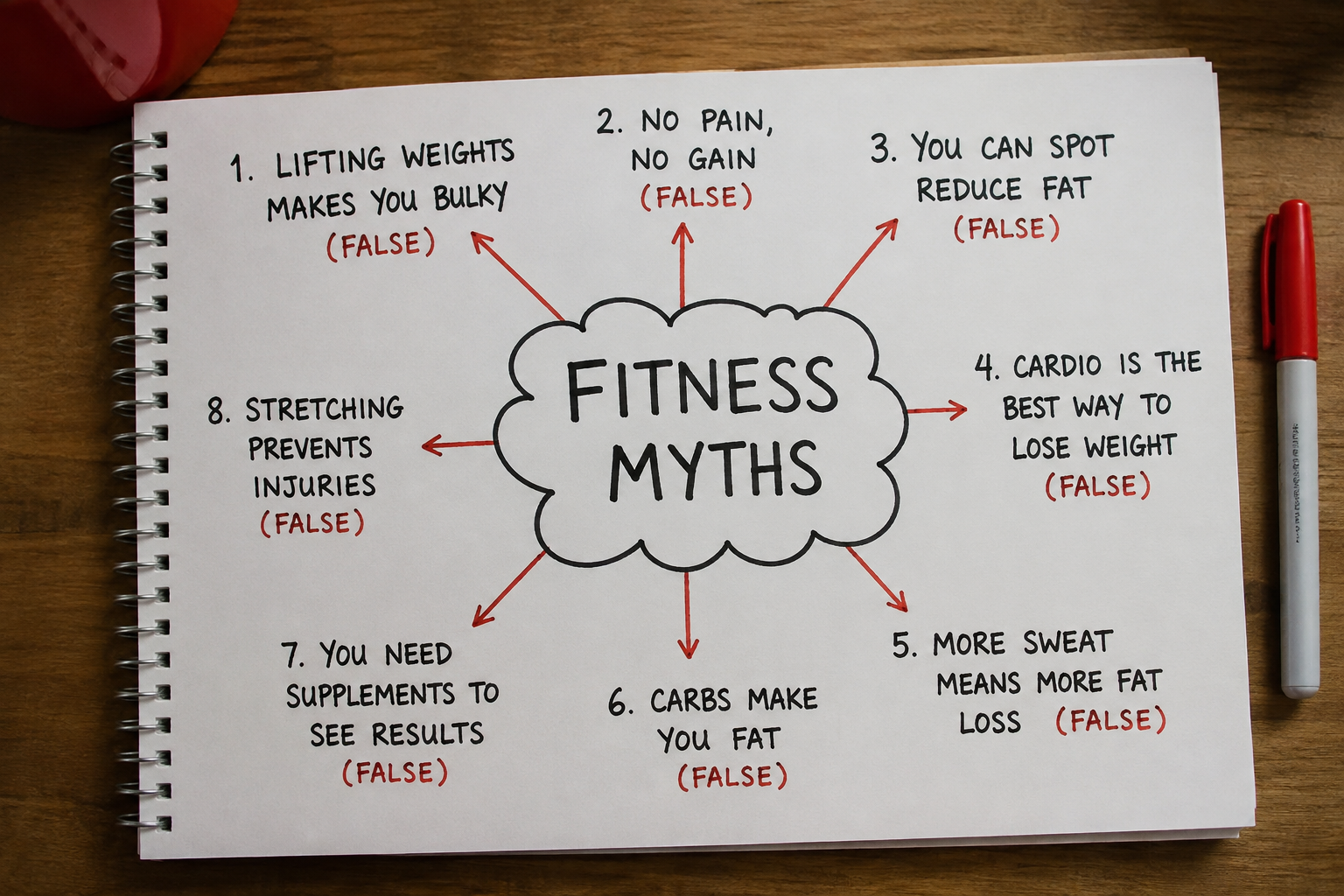
Every year, thousands of people begin their fitness journey with excitement. They join a gym, buy workout clothes, and promise themselves that this time they will stay consistent. Unfortunately, many people also follow advice that is simply not true. These fitness myths often spread through social media, friends, or outdated information. Instead of helping, they slow down progress and leave people feeling frustrated.
The truth is that fitness is much simpler than many people think. You do not need secret workouts, magic diets, or expensive supplements to achieve your goals. What you really need is the right knowledge, consistency, and patience.
In this article, I will explain the most common fitness myths you should stop believing so you can train smarter, stay motivated, and achieve better results.
Why Fitness Myths Are So Common
Fitness is one of the most talked about topics online. Every day, influencers, celebrities, and even unqualified people share workout advice. While some information is helpful, a lot of it is based on personal opinions instead of science.
Many myths continue because people want quick results. They prefer shortcuts over proven methods. Unfortunately, believing these myths often leads to disappointment, injuries, or giving up completely.
Learning the truth about fitness helps you avoid common mistakes and build healthy habits that last for years.
Myth 1: You Can Burn Fat From One Body Part
One of the biggest fitness myths is that you can lose fat from a specific area by exercising that body part.
Many people believe doing hundreds of crunches will remove belly fat or that leg exercises will make thigh fat disappear.
The reality is that your body decides where fat is burned. Fat loss happens throughout your entire body when you consistently burn more calories than you consume.
Strength training and regular cardio combined with a healthy diet are the best ways to reduce overall body fat.
Myth 2: Cardio Is Better Than Strength Training
Some people think cardio is the only way to lose weight.
While cardio burns calories, strength training is equally important. Building muscle increases your metabolism because muscle tissue burns more calories than fat, even while resting.
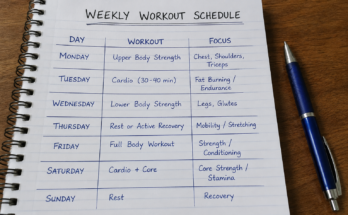
The best fitness routine includes both strength training and cardiovascular exercise. Together they improve heart health, muscle strength, endurance, and body composition.
Myth 3: Lifting Weights Makes Everyone Bulky
Many beginners, especially women, avoid weight training because they fear becoming too muscular.
Building large muscles requires years of consistent training, proper nutrition, and in many cases exceptional genetics.
Weight training actually helps create a lean, toned, and stronger body. It also improves bone health, posture, and overall fitness.
Adding resistance training to your weekly routine is one of the smartest decisions you can make.
Myth 4: No Pain Means No Gain
This fitness myth has existed for decades.
Feeling sore after every workout does not mean you had a better session. Muscle soreness simply shows your body is adapting to new stress.
Good workouts challenge your muscles without causing unnecessary pain.
Sharp pain during exercise is actually a warning sign. Ignoring it can lead to serious injuries that may keep you away from training for weeks or months.
Listen to your body and focus on proper technique instead of chasing soreness.
Myth 5: You Must Exercise Every Day
Many people believe daily workouts are necessary for results.
Your muscles actually grow during recovery, not while lifting weights.
Training five to six days each week can work well if your program is balanced, but rest days are equally important. Recovery allows your muscles, joints, and nervous system to repair and become stronger.
Even professional athletes schedule recovery days because they understand their importance.
Myth 6: Sweating Means You Are Burning More Fat
Sweating is your body’s natural cooling system.
The amount you sweat depends on temperature, humidity, genetics, and workout intensity.
You may sweat heavily during a hot summer walk while burning fewer calories than during a strength workout in an air conditioned gym.
Fat loss depends on your calorie balance over time, not on how much sweat you produce.
Myth 7: More Exercise Always Gives Better Results
Working out for hours every day may sound productive, but it often leads to burnout.
Your body needs time to recover between workouts.
Excessive exercise can increase the risk of injuries, reduce performance, and even slow muscle growth.
Quality workouts with proper recovery are much more effective than endless hours in the gym.
Myth 8: You Need Expensive Supplements
The supplement industry is worth billions because companies promise faster muscle growth and fat loss.
The truth is that supplements are exactly what their name suggests. They supplement your diet.
Whole foods should always be your priority. Lean protein, vegetables, fruits, whole grains, and healthy fats provide most of the nutrients your body needs.
Some supplements like protein powder or creatine may be useful for certain people, but they cannot replace healthy eating and consistent training.
Myth 9: Stretching Before Every Workout Prevents Injuries
Many people believe long static stretching sessions before exercise reduce injury risk.
Research shows that dynamic warm ups are usually more effective before workouts.
Dynamic movements increase blood flow, improve mobility, and prepare your muscles for activity.
Static stretching is often better after exercise or during separate flexibility sessions.
A proper warm up should always match the workout you are about to perform.
Myth 10: You Must Follow a Perfect Diet
One unhealthy meal will not ruin your progress.
Likewise, one healthy meal will not completely transform your body.
Long term consistency matters far more than perfection.
Instead of following extremely restrictive diets, focus on balanced eating habits you can maintain for years.
Enjoy your favorite foods in moderation while making nutritious choices most of the time.
Myth 11: Fast Weight Loss Is Better
Many advertisements promise dramatic weight loss in only a few weeks.
Rapid weight loss often comes from losing water and muscle instead of body fat.
Slow and steady progress is healthier and easier to maintain.
Losing around one to two pounds per week is considered a realistic goal for most people.
Patience is one of the most valuable skills in any fitness journey.
Myth 12: Older Adults Should Avoid Exercise
Some people think aging means avoiding physical activity.
In reality, regular exercise becomes even more important as we get older.
Strength training helps maintain muscle mass, improve balance, increase bone density, and reduce the risk of falls.
Walking, swimming, resistance training, and flexibility exercises all support healthy aging.
It is never too late to become stronger and healthier.
How to Identify False Fitness Advice
The internet is filled with fitness information, so it is important to know how to separate facts from myths.
Be cautious of anyone promising instant results or claiming one workout or diet works for everyone.
Reliable fitness advice is usually based on scientific evidence, practical experience, and realistic expectations.
Always question information that sounds too good to be true.
Learning from qualified professionals can save you time, money, and frustration.
Build Your Fitness Journey on Facts
Success in fitness comes from simple habits repeated consistently.
Eat nutritious meals, train regularly, sleep enough, stay hydrated, and give your body time to recover.
Ignore shortcuts and focus on building a lifestyle that supports your health.
Every small improvement adds up over time.
The best transformation is the one you can maintain for years.
Final Thoughts
Believing fitness myths can make your health journey much harder than it needs to be. The good news is that once you understand the facts, everything becomes much clearer. You do not need extreme diets, endless cardio sessions, or expensive supplements to achieve your goals.
Instead, focus on consistency, balanced nutrition, strength training, proper recovery, and realistic expectations. These proven habits will help you become healthier, stronger, and more confident over time.
Remember that fitness is not about finding the fastest shortcut. It is about making smart choices every day. Stop believing these common fitness myths, trust the process, and enjoy the long term benefits of a healthier lifestyle.