Introduction
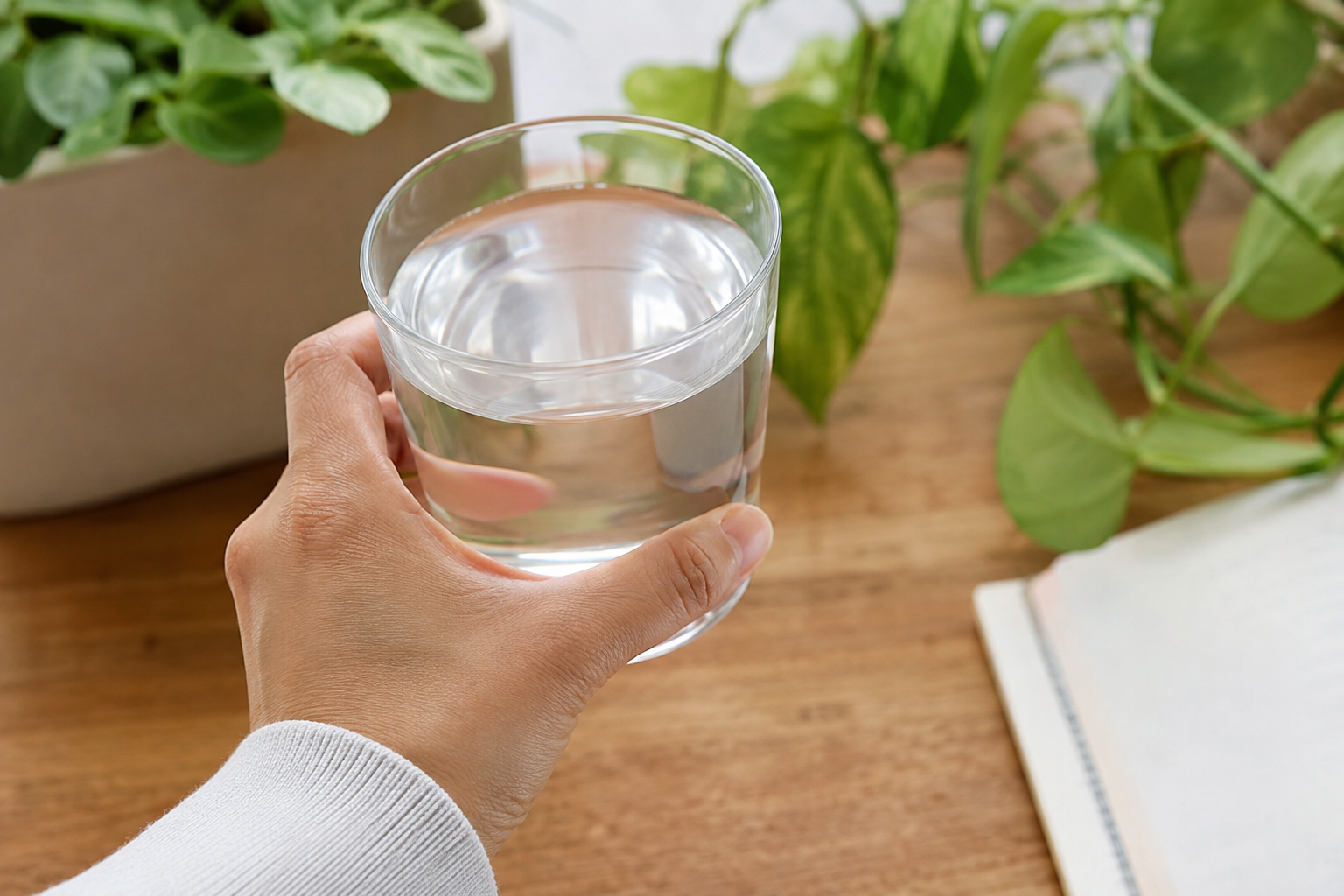
Water is one of the most important things our body needs every single day. We can live without food for several days, but we cannot survive long without water. Every cell, tissue, and organ in the body depends on water to function properly. Even mild dehydration can affect your energy, mood, concentration, and physical performance.
Many people know they should drink more water, but they are often confused about how much water they actually need. Some believe everyone should drink eight glasses a day, while others think the amount depends on body weight and activity level. The truth is that there is no single number that works for everyone.
This daily water intake guide for better health will help you understand why hydration is important, how much water you should drink, the factors that affect your daily needs, and simple ways to stay hydrated throughout the day.
Why Water Is Essential for Your Body
Water makes up around 60 percent of the human body. It is involved in almost every important process that keeps you healthy.
Your body uses water to regulate temperature, transport nutrients, remove waste, lubricate joints, support digestion, and keep your skin healthy. Water also helps maintain blood circulation and ensures that your organs function efficiently.
Without enough water, your body cannot perform these tasks properly. That is why staying hydrated is one of the easiest ways to improve your overall health.
Benefits of Drinking Enough Water
Drinking the right amount of water every day provides many health benefits that people often overlook.
Improves Physical Performance
Your muscles need water to work efficiently. During exercise, your body loses fluids through sweat. If you do not replace those fluids, you may feel tired, weak, and less energetic. Proper hydration helps improve endurance, strength, and recovery after workouts.
Supports Brain Function
Even slight dehydration can reduce concentration and memory. Drinking enough water helps keep your brain alert and improves focus throughout the day.
Helps with Digestion
Water supports healthy digestion by helping break down food and move it through the digestive system. It also reduces the risk of constipation.
Promotes Healthy Skin
Hydrated skin often looks fresher and healthier. While water alone cannot solve every skin problem, it helps maintain the skin’s natural moisture and elasticity.
Helps Control Body Temperature
When your body gets hot, sweating helps cool you down. This cooling process depends on having enough water in your body.
Supports Kidney Health
The kidneys filter waste from your blood. Drinking enough water helps them work efficiently and may reduce the risk of kidney stones.
How Much Water Should You Drink Daily?
One of the most common questions is how much water a person should drink each day.
The answer depends on several factors including age, gender, body weight, activity level, weather, and overall health.
A general guideline is:
Women should aim for about 2.7 liters of fluids per day.
Men should aim for about 3.7 liters of fluids per day.
These totals include water from beverages and water-rich foods such as fruits and vegetables.
If you exercise regularly or spend time in hot weather, your water needs will increase because your body loses more fluids through sweat.
Instead of focusing only on a fixed number, pay attention to your body’s signals. Feeling thirsty and having dark yellow urine are common signs that you need more water.
Factors That Affect Daily Water Intake
Not everyone requires the same amount of water. Several factors influence your hydration needs.
Physical Activity
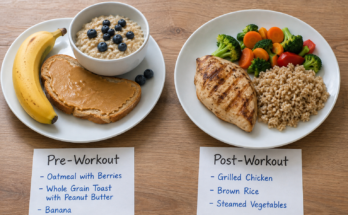
People who exercise daily lose more water through sweating. Athletes and active individuals should drink extra water before, during, and after workouts.
Climate
Hot and humid weather increases sweating, leading to greater fluid loss. People living in warm climates usually need more water than those in cooler regions.
Body Size
Larger individuals generally require more water because their bodies contain more tissues that need hydration.
Pregnancy and Breastfeeding
Women who are pregnant or breastfeeding have increased fluid needs to support both themselves and their babies.
Health Conditions
Fever, vomiting, diarrhea, and certain medical conditions can increase water loss. During illness, staying hydrated becomes even more important.
Signs You Are Not Drinking Enough Water
Many people do not realize they are dehydrated until symptoms become noticeable.
Some common signs include:
Dry mouth
Headaches
Fatigue
Dizziness
Dark yellow urine
Dry skin
Muscle cramps
Difficulty concentrating
If you experience these symptoms regularly, increasing your daily water intake may help improve how you feel.
Best Times to Drink Water
Drinking water consistently throughout the day is better than drinking large amounts all at once.
Some of the best times include:
Right after waking up to replace fluids lost overnight.
Before meals to support digestion.
Before and after exercise to stay hydrated.
During hot weather when your body loses more water through sweat.
Before bedtime if you are slightly dehydrated, but avoid drinking excessive amounts that may interrupt your sleep.