Maintaining a healthy body weight is one of the most important steps toward living a healthier and happier life. Many people want to lose weight, gain muscle, or simply improve their fitness, but they often do not know where to start. This is where a BMI Calculator Guide becomes helpful. A BMI calculator is a simple tool that helps you understand whether your body weight falls within a healthy range based on your height and weight.
Although BMI is not a perfect measurement, it is widely used by doctors, fitness trainers, and health professionals around the world. It provides a quick overview of your body weight status and can help you decide if you need to make lifestyle changes. In this guide, you will learn everything about BMI, how it works, how to calculate it, its benefits, limitations, and how you can use it to improve your overall health.
What Is BMI?
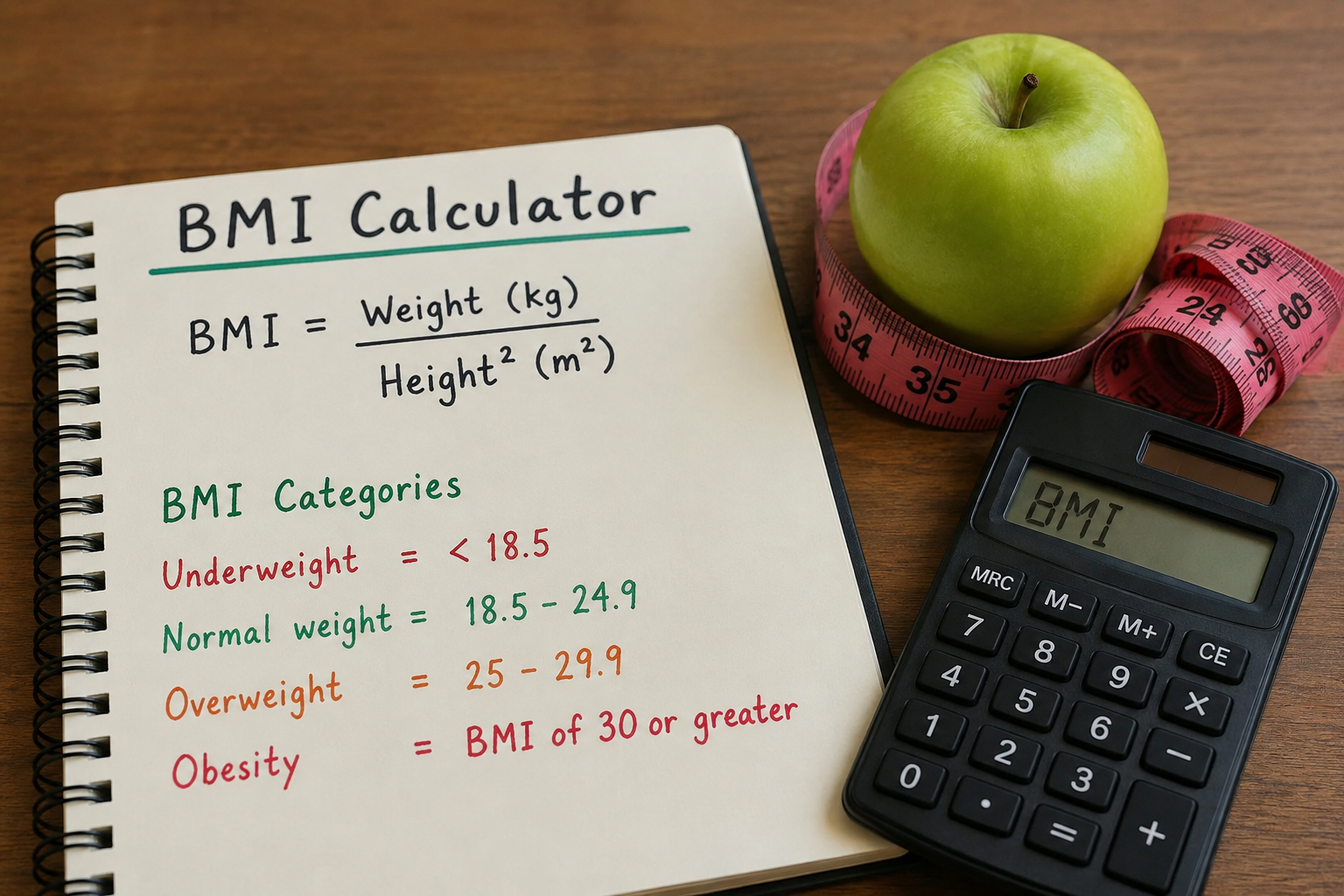
BMI stands for Body Mass Index. It is a simple mathematical formula that compares your weight to your height. The result helps estimate whether your body weight is healthy for your height.
The BMI calculation is:
BMI = Weight in kilograms ÷ Height in meters²
If you use pounds and inches, many online BMI calculators automatically perform the calculation for you. You only need to enter your height and weight.
A BMI calculator is quick, free, and easy to use. It gives you an idea of where your body weight falls on the standard BMI scale.
Why Is BMI Important?
Understanding your BMI can help you become more aware of your overall health. While it does not measure body fat directly, it is a useful screening tool for identifying possible weight related health risks.
A healthy BMI may reduce the risk of several health conditions, including heart disease, type 2 diabetes, high blood pressure, and certain types of cancer.
If your BMI is too low, it may indicate that you are underweight, which can also cause health problems such as weak bones, poor immunity, and nutritional deficiencies.
Knowing your BMI is often the first step toward creating a healthier lifestyle.
BMI Categories
BMI results are divided into different categories.
Underweight: Below 18.5
Normal Weight: 18.5 to 24.9
Overweight: 25 to 29.9
Obesity: 30 or above
These categories help health professionals determine whether a person’s weight may increase the risk of future health problems.
Remember that BMI is only a guideline and should not be the only factor used to judge overall health.
How to Use a BMI Calculator
Using a BMI calculator is extremely simple. Most online calculators require only two pieces of information.
Your height
Your weight
Once you enter these details, the calculator instantly provides your BMI score and explains which weight category you belong to.
Many BMI calculators also include useful health advice based on your results. Some even estimate your ideal weight range.
Understanding Body Weight
Body weight is much more than just a number on a scale. It is influenced by many factors including muscle mass, body fat, bone density, genetics, age, gender, and lifestyle.
Two people can have the same body weight but completely different body compositions. One may have more muscle while the other has more body fat.
This is why understanding body weight is just as important as knowing your BMI.
Healthy body weight is about maintaining the right balance between body fat and lean muscle rather than simply trying to become lighter.
Factors That Affect Body Weight
Many different factors influence your body weight throughout your life.
Diet
Eating more calories than your body burns causes weight gain. Eating fewer calories than you burn leads to weight loss.
Choosing nutritious foods such as fruits, vegetables, lean proteins, whole grains, and healthy fats helps maintain a healthy body weight.
Physical Activity
Regular exercise burns calories and builds muscle. Muscle tissue burns more calories than fat even when your body is resting.
Walking, jogging, cycling, swimming, and strength training all contribute to healthy weight management.
Age
As people get older, metabolism naturally slows down. This means your body burns fewer calories than it did when you were younger.
Staying active becomes even more important with age.
Genetics
Your family history can affect how easily you gain or lose weight. However, healthy habits still play a major role in maintaining a healthy body.
Sleep
Poor sleep can affect hormones that control hunger and appetite. People who do not get enough sleep often feel hungrier and may consume more calories.
Aim for seven to nine hours of quality sleep every night.
Stress
Long term stress may increase cortisol levels, leading to overeating and weight gain.
Managing stress through exercise, meditation, deep breathing, or hobbies can support healthy weight management.
Limitations of BMI
Although BMI is useful, it has several limitations.
It does not measure body fat percentage.
It cannot distinguish between muscle and fat.
Athletes with high muscle mass may have a high BMI even though they have very little body fat.
Older adults may have a normal BMI while having low muscle mass and higher body fat.
Children and teenagers use different BMI charts based on age and gender.
Because of these limitations, BMI should be combined with other health measurements such as waist circumference, body fat percentage, blood pressure, cholesterol levels, and overall fitness.
Healthy Ways to Improve Your BMI
If your BMI falls outside the healthy range, do not panic. Small lifestyle changes can make a big difference over time.
Eat balanced meals with plenty of vegetables and fruits.
Choose lean protein sources like chicken, fish, eggs, beans, and yogurt.
Drink enough water throughout the day.
Limit sugary drinks and processed foods.
Exercise at least 150 minutes every week.
Include strength training exercises two or three times each week.
Sleep well every night.
Stay consistent with your healthy habits.
Gradual progress is much more sustainable than trying extreme diets.
Can BMI Help With Weight Loss?
Yes, BMI can be a useful starting point for a weight loss journey.
It helps you understand your current weight category and allows you to monitor your progress over time.
For example, someone with a BMI of 31 may work toward lowering it into the overweight or healthy range through better eating habits and regular exercise.
However, remember that healthy weight loss is not just about reducing BMI. Building muscle, improving endurance, and feeling healthier are equally important goals.
BMI and Fitness Goals
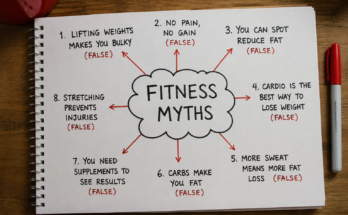
Many people think fitness is only about losing weight, but fitness is much broader than that.
If your goal is muscle building, your BMI may stay the same or even increase because muscle weighs more than fat.
This does not necessarily mean your health is getting worse.
Always combine BMI with other measurements like waist size, strength, energy levels, and body composition to get a complete picture of your progress.
Tips for Maintaining a Healthy Body Weight
Maintaining a healthy body weight does not require extreme diets or expensive supplements.
Focus on eating nutritious meals most of the time.
Stay physically active every day.
Avoid sitting for long periods.
Drink plenty of water.
Monitor your weight regularly without becoming obsessed with the scale.
Set realistic goals and celebrate small achievements.
Develop habits that you can maintain for years instead of following short term diet plans.
Consistency always produces better long term results.
Common BMI Myths
Many people misunderstand how BMI works.
One common myth is that BMI measures body fat. In reality, it only estimates weight relative to height.
Another myth is that everyone with a high BMI is unhealthy. Some athletes have high BMIs because of increased muscle mass rather than excess body fat.
Some people also believe that a normal BMI guarantees perfect health. While a healthy BMI is positive, overall health also depends on diet, exercise, sleep, stress management, and regular medical checkups.
Understanding these facts helps you use BMI more effectively.
Conclusion
A BMI Calculator Guide is one of the easiest ways to understand your body weight and identify whether you fall within a healthy weight range. While BMI is not a perfect measurement, it remains a valuable screening tool that can motivate healthier lifestyle choices.
Remember that understanding body weight involves much more than looking at a number on the scale. Your nutrition, physical activity, sleep, stress levels, and body composition all contribute to your overall health.
Use your BMI as a helpful guide rather than a final judgment. Focus on creating healthy daily habits, staying active, eating balanced meals, and taking care of your physical and mental well being. Over time, these positive choices will lead to better health, improved fitness, and a healthier body weight that you can maintain for years to come.