Starting a healthy lifestyle does not mean giving up your favorite foods or following a strict diet. In my opinion, the best way to eat healthier is to keep things simple and build habits that you can follow every day. A healthy meal plan for beginners should be easy, balanced, affordable, and enjoyable. When you eat the right foods in the right portions, your body gets the energy it needs, and you feel better throughout the day.
Many people think healthy eating is expensive or difficult, but that is not true. You only need fresh ingredients, a little planning, and the willingness to make better choices. Once you get into the habit, healthy eating becomes a natural part of your daily routine.
What Is a Healthy Meal Plan for Beginners?
A healthy meal plan for beginners is a simple guide that helps you choose nutritious foods for breakfast, lunch, dinner, and snacks. Instead of eating whatever is available, you prepare balanced meals that contain protein, healthy fats, whole grains, fruits, and vegetables.
A good meal plan also helps you avoid skipping meals, eating too much junk food, or relying on fast food. It keeps your nutrition on track while making grocery shopping and meal preparation much easier.
Why Following a Meal Plan Is Important
Planning your meals has many benefits. It helps you stay organized and reduces the chances of making unhealthy food choices when you are hungry.
Some of the biggest benefits include:
Improves energy levels throughout the day.
Supports healthy weight management.
Saves money on groceries.
Reduces food waste.
Makes healthy eating easier.
Helps build long term healthy habits.
Whether your goal is losing weight, building muscle, or simply feeling healthier, having a meal plan makes the journey much easier.
Foods You Should Include
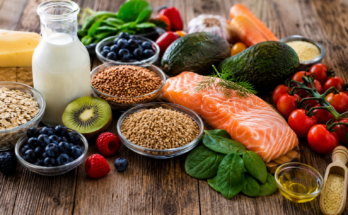
The foundation of a healthy meal plan is choosing whole, nutrient rich foods instead of processed products.
Lean Protein
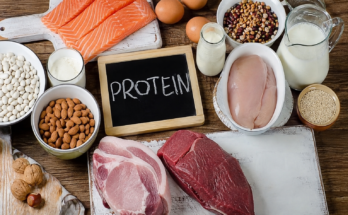
Protein helps build muscles, keeps you full longer, and supports body repair.
Good protein sources include:
Chicken breast
Fish
Eggs
Turkey
Greek yogurt
Beans
Lentils
Tofu
Healthy Carbohydrates
Carbohydrates provide energy for your body and brain. Choose whole grains whenever possible.
Healthy options include:
Brown rice
Oats
Whole wheat bread
Sweet potatoes
Quinoa
Whole grain pasta
Healthy Fats
Healthy fats support heart health and improve brain function.
Choose foods like:
Avocados
Olive oil
Almonds
Walnuts
Peanuts
Chia seeds
Flaxseeds
Fruits and Vegetables
Fruits and vegetables provide vitamins, minerals, antioxidants, and fiber.
Some great choices include:
Apples
Bananas
Oranges
Blueberries
Spinach
Broccoli
Carrots
Bell peppers
Cucumber
Tomatoes
Try adding colorful fruits and vegetables to every meal.
Foods Beginners Should Limit
Healthy eating does not mean completely avoiding your favorite treats, but some foods should be eaten less often.
Try limiting:
Sugary drinks
Candy
Processed snacks
Deep fried foods
Fast food
White bread
Packaged desserts
Too much added sugar
Making small changes over time is much easier than trying to change everything at once.
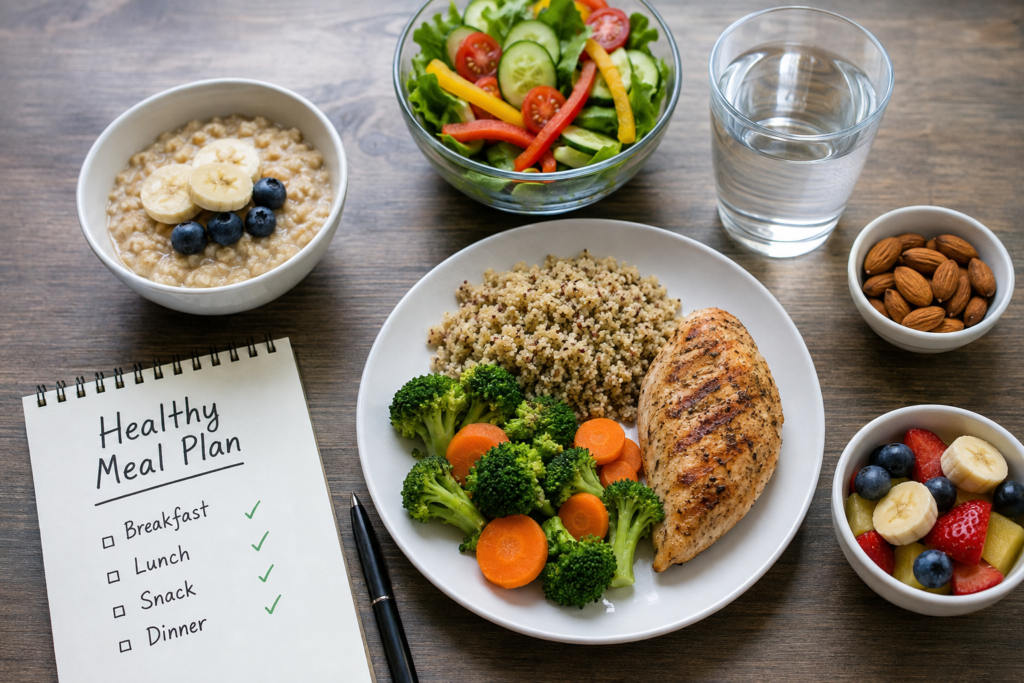
Simple Healthy Meal Plan for Beginners
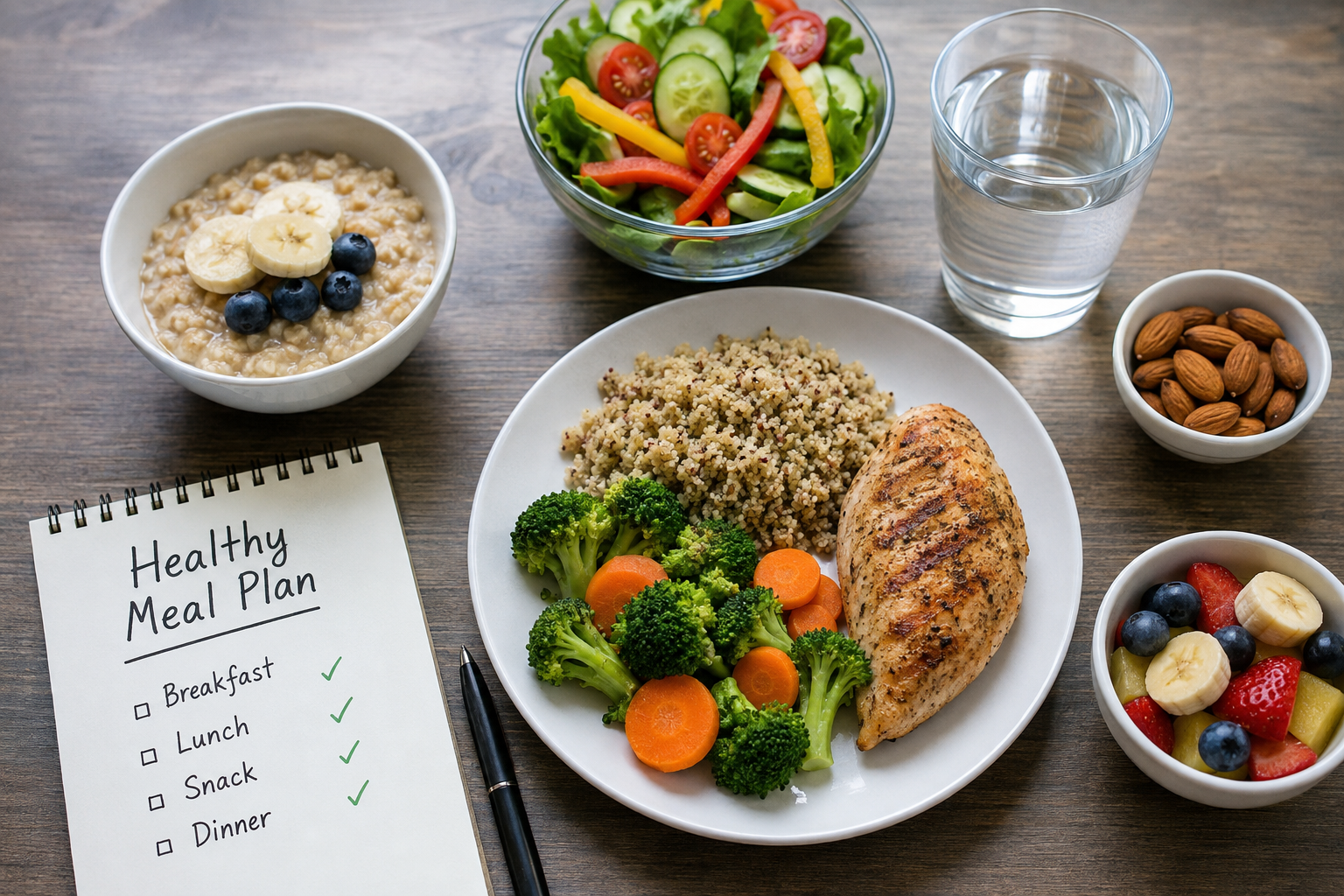
Here is an easy meal plan you can follow.
Breakfast
A bowl of oatmeal topped with banana slices and almonds.
One boiled egg.
A glass of water or unsweetened green tea.
This breakfast provides fiber, protein, and healthy carbohydrates that keep you full for hours.
Morning Snack
One apple with a handful of almonds.
This combination provides natural sweetness and healthy fats.
Lunch
Grilled chicken breast.
Brown rice.
Steamed broccoli and carrots.
A small side salad with olive oil dressing.
This meal contains protein, fiber, healthy fats, and slow digesting carbohydrates.
Afternoon Snack
Greek yogurt with fresh berries.
This snack supports digestion while providing protein and antioxidants.
Dinner
Grilled salmon.
Roasted sweet potatoes.
Steamed green beans.
A mixed vegetable salad.
This dinner is rich in healthy fats, vitamins, and high quality protein.
Evening Snack
If you still feel hungry, eat a small banana or a handful of walnuts.
Avoid eating heavy meals late at night.
Healthy Breakfast Ideas
Breakfast gives your body the energy needed to start the day.
Some easy breakfast ideas include:
Oatmeal with berries.
Whole wheat toast with peanut butter.
Vegetable omelet.
Greek yogurt with fruit.
Smoothie with banana, spinach, and milk.
Choose breakfasts that include both protein and fiber to stay satisfied longer.
Healthy Lunch Ideas
Lunch should keep your energy stable during the afternoon.
Try meals like:
Chicken salad.
Turkey sandwich on whole wheat bread.
Brown rice with vegetables.
Grilled fish with quinoa.
Bean salad with avocado.
Preparing lunch at home helps control ingredients and portion sizes.
Healthy Dinner Ideas
Dinner should be filling but not too heavy.
Some healthy options include:
Grilled chicken with vegetables.
Baked salmon with sweet potatoes.
Vegetable soup with whole grain bread.
Turkey meatballs with brown rice.
Stir fried vegetables with tofu.
Eating dinner two to three hours before bedtime may improve digestion and sleep quality.
Healthy Snack Ideas
Healthy snacks prevent overeating during main meals.
Good choices include:
Fresh fruit.
Mixed nuts.
Greek yogurt.
Carrot sticks with hummus.
Boiled eggs.
Cottage cheese.
Air popped popcorn.
Keep healthy snacks available so you are less likely to reach for unhealthy foods.
Drink Plenty of Water
Many beginners forget how important water is.
Aim to drink around eight glasses of water each day. If you exercise regularly or live in a hot climate, you may need even more.
Sometimes people mistake thirst for hunger, so drinking water can also help prevent unnecessary snacking.
Meal Prep Tips for Beginners
Meal preparation saves time and keeps you consistent.
Here are a few simple tips.
Plan your meals every weekend.
Create a grocery shopping list.
Cook larger portions for leftovers.
Wash and cut vegetables ahead of time.
Store meals in airtight containers.
Prepare healthy snacks before the week starts.
Spending just one hour preparing meals can save many hours during the week.
Portion Control Matters
Even healthy foods should be eaten in reasonable portions.
A simple method is filling half your plate with vegetables, one quarter with lean protein, and one quarter with whole grains or healthy carbohydrates.
Eating slowly also helps your brain recognize when you are full.
Common Mistakes Beginners Make
Many people lose motivation because they expect instant results.
Some common mistakes include:
Skipping breakfast.
Eating too little.
Drinking sugary beverages.
Not eating enough protein.
Ignoring vegetables.
Following extremely restrictive diets.
Giving up after one unhealthy meal.
Remember that healthy eating is about consistency rather than perfection.
Tips for Staying Consistent
Building healthy habits takes time.
Here are a few ways to stay on track.
Set realistic goals.
Prepare meals in advance.
Keep healthy snacks nearby.
Drink enough water every day.
Get enough sleep.
Exercise regularly.
Celebrate small achievements.
If you have one unhealthy meal, simply continue with your next healthy meal instead of giving up completely.
Final Thoughts
Following a healthy meal plan for beginners is one of the easiest ways to improve your overall health without feeling overwhelmed. You do not need expensive ingredients or complicated recipes to eat well. Simple meals made with whole foods can provide all the nutrients your body needs while helping you feel more energetic and confident.
The key is to stay consistent and focus on small improvements every day. Start by planning your meals, drinking enough water, and choosing fresh foods over processed ones. Over time, these simple habits become part of your lifestyle, making healthy eating feel natural rather than difficult.
If you stay patient and committed, a healthy meal plan will not only improve your physical health but also increase your energy, support your fitness goals, and help you enjoy a healthier life for years to come.