Introduction
Many people believe that working harder always leads to better fitness results. While exercise is essential for building strength, improving endurance, and maintaining good health, your body also needs enough time to recover. Rest is not a sign of weakness. It is one of the most important parts of a healthy fitness routine.
Ignoring the signs your body needs more rest and recovery can slow your progress, reduce your energy, and even increase the risk of injury. Whether you are a beginner or someone who exercises regularly, understanding when your body needs a break can help you stay healthy and achieve better long term results.
In this article, you will learn the most common signs that your body needs more rest and recovery, why recovery matters, and how to give your body the time it needs to perform at its best.
Why Rest and Recovery Matter
Every workout puts stress on your muscles, joints, and nervous system. This stress is normal because it encourages your body to become stronger. However, your muscles do not grow during exercise. They grow while you rest.
Recovery allows damaged muscle fibers to repair, energy stores to refill, and hormones to return to normal levels. Without enough rest, your body cannot recover properly, and your performance will slowly decline.
Good recovery also supports better mental health, stronger immunity, improved sleep quality, and consistent fitness progress.
Constant Muscle Soreness
Feeling sore for a day or two after a challenging workout is completely normal. However, if your muscles stay sore for several days without improving, it may be a sign that your body has not fully recovered.
Persistent muscle soreness means your muscles need extra time to heal. Continuing to train hard while your muscles are still recovering may increase the risk of strains and injuries.
Instead of pushing through the pain, consider taking a rest day or doing light activities such as walking or gentle stretching.
You Feel Tired All the Time
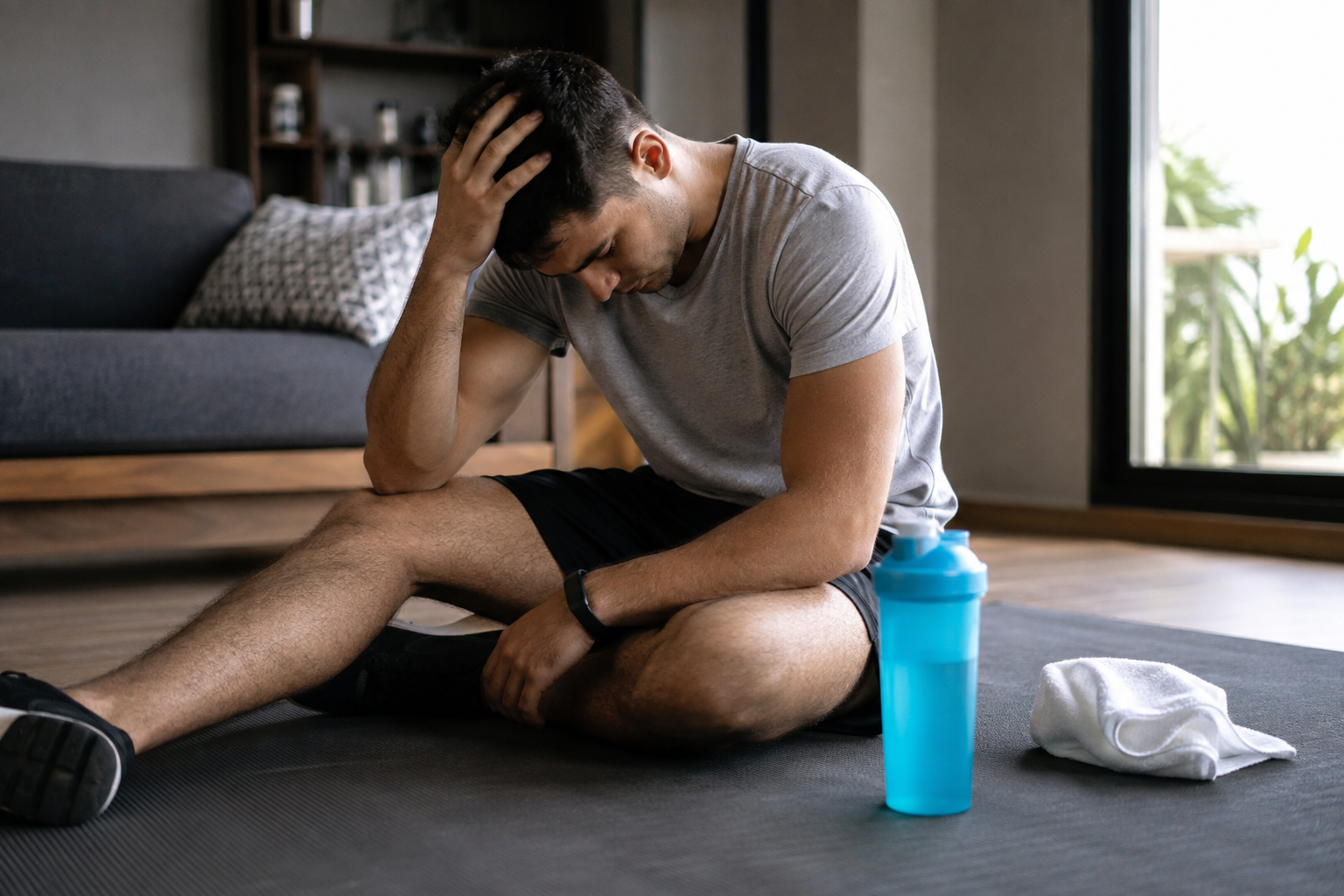
One of the biggest signs your body needs more rest and recovery is constant fatigue. If you wake up feeling exhausted even after a full night’s sleep, your body may be struggling to recover from physical stress.
Exercise should leave you feeling energized after recovery, not permanently drained. Chronic tiredness often indicates that your training volume is too high or your recovery habits need improvement.
Adding extra rest days and improving sleep quality can make a significant difference.
Poor Workout Performance
Have you noticed that lifting weights feels harder than usual? Are you running slower even though you are training consistently?
A sudden drop in workout performance often signals incomplete recovery.
When your body is fully recovered, you should gradually become stronger and more capable. If your strength, endurance, or speed continue to decline, your body may be asking for a break.
Listening to this signal can prevent overtraining and help restore your performance.
Difficulty Sleeping
Many people assume that exercising more automatically improves sleep. While regular physical activity usually supports better sleep, excessive training without recovery can have the opposite effect.
If you struggle to fall asleep, wake up frequently during the night, or feel restless while sleeping, your nervous system may be overstressed.
Quality sleep is one of the most powerful recovery tools. Adults should aim for seven to nine hours of sleep every night to support muscle repair and overall health.
Increased Heart Rate
Your resting heart rate provides useful information about your recovery status.
If your resting heart rate is consistently higher than normal, it could indicate that your body is under physical stress.
Many athletes monitor their morning heart rate before getting out of bed. A noticeable increase over several days often suggests that more recovery time is needed.
Tracking your heart rate can help you identify recovery problems before they become serious.
Frequent Illness
Your immune system works hard to protect your body. However, excessive training without proper recovery can weaken your immune response.
If you frequently catch colds, develop infections, or feel sick more often than usual, your body may be struggling with too much physical stress.
Proper nutrition, hydration, sleep, and recovery all help strengthen your immune system and reduce the likelihood of illness.
Lack of Motivation
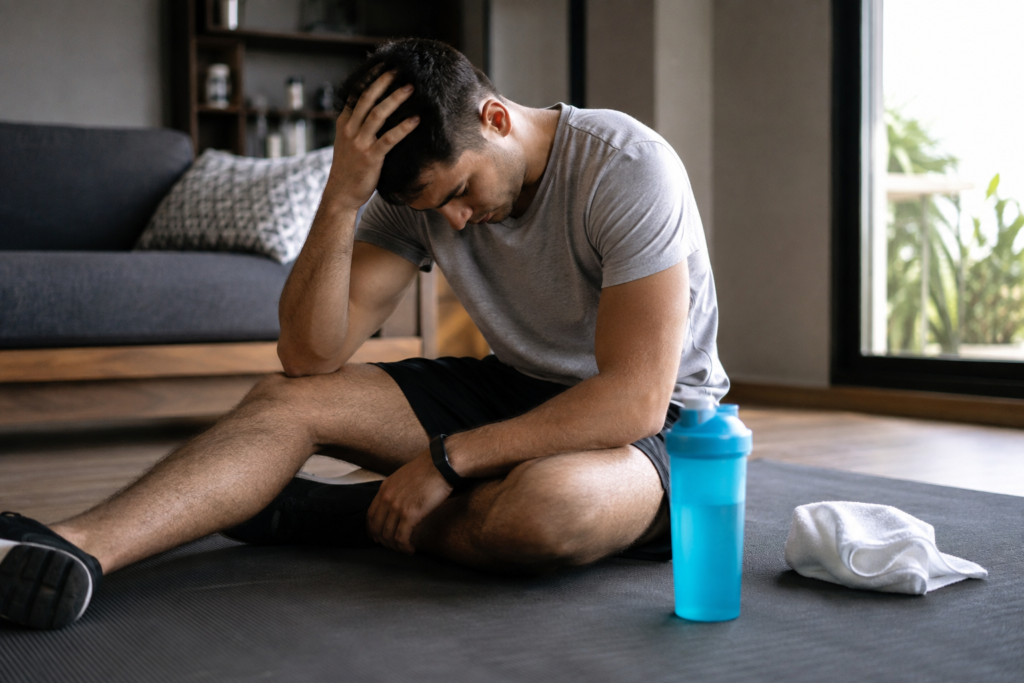
Everyone experiences occasional days without motivation. However, if you consistently dread workouts that you normally enjoy, it may be more than simple laziness.
Mental exhaustion is just as important as physical fatigue.
When your body becomes overly stressed, your brain also needs time to recover. Taking a short break often helps restore excitement and enjoyment for exercise.
Mood Changes
Recovery affects both physical and mental health.
If you become unusually irritable, anxious, frustrated, or emotionally sensitive, your body may be sending signals that it needs more rest.
Exercise influences hormone levels, including cortisol, which is commonly known as the stress hormone.
Too much training with insufficient recovery may increase stress levels and negatively affect your mood.
Rest helps balance these hormones and supports emotional well being.
Ongoing Joint Pain
Muscle soreness is common after exercise, but sharp or lingering joint pain should never be ignored.
Pain in your knees, shoulders, hips, elbows, or ankles may indicate that your body is not recovering properly or that repetitive stress is causing inflammation.
Ignoring joint pain can lead to more serious injuries that require longer recovery periods.
Reducing workout intensity and allowing proper healing time is often the smartest choice.
Loss of Appetite
Exercise normally increases appetite because your body needs nutrients to recover.
If you suddenly lose interest in eating despite training regularly, it may be a sign of overtraining.
Your body requires carbohydrates, protein, healthy fats, vitamins, and minerals to repair damaged tissues.
Eating balanced meals supports recovery and helps maintain healthy energy levels.
You Get Injured More Often
Repeated injuries often indicate that your body is not fully recovering between workouts.
Muscles that remain fatigued cannot properly support your joints and movement patterns.
As a result, your risk of strains, sprains, and other injuries increases.
Building recovery days into your training schedule helps reduce injury risk and improves long term fitness success.
Slow Muscle Growth
Many people become frustrated when they stop seeing progress despite working harder.
The problem may not be your workouts.
Muscle growth happens during recovery, not while exercising.
Without enough rest, your body cannot repair muscle tissue effectively.
If your strength gains have stopped or muscle growth seems slow, improving your recovery routine may help restart your progress.
Headaches and Low Energy
Frequent headaches combined with low energy may indicate dehydration, poor nutrition, or insufficient recovery.
Hard training places additional demands on your body.
Drinking enough water, eating nutritious meals, and getting quality sleep all contribute to better recovery and reduced fatigue.
Ignoring these symptoms may eventually affect both your health and workout performance.
How to Improve Recovery
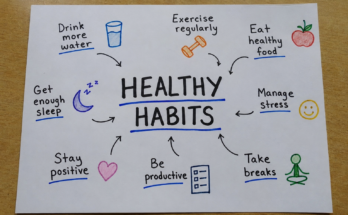
Recovery does not have to be complicated. Small daily habits can dramatically improve how your body feels.
Sleep for at least seven to nine hours each night whenever possible.
Drink enough water throughout the day to stay hydrated.
Eat balanced meals that include lean protein, healthy carbohydrates, fruits, vegetables, and healthy fats.
Take one or two rest days every week depending on your training intensity.
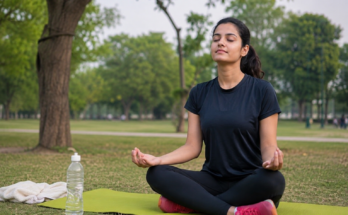
Include light recovery activities such as walking, stretching, yoga, or gentle cycling.
Manage daily stress through relaxation techniques, deep breathing, or meditation.
Listen to your body instead of following a strict workout schedule every single day.
Active Recovery vs Complete Rest
Many people think recovery means lying in bed all day.
In reality, active recovery can often speed up the healing process.
Active recovery includes low intensity activities that improve blood circulation without placing heavy stress on the body.
Examples include walking, swimming, light stretching, foam rolling, or easy cycling.
Complete rest is still important after very intense workouts or when recovering from illness or injury.
Finding the right balance between active recovery and full rest helps your body recover efficiently.
Common Recovery Mistakes
Some fitness enthusiasts unknowingly slow their recovery by making simple mistakes.
Skipping sleep is one of the biggest recovery problems.
Eating too little protein reduces muscle repair.
Ignoring pain often turns small issues into serious injuries.
Training intensely every single day without rest eventually leads to burnout.
Comparing your recovery speed to someone else is also unhelpful because every person’s body recovers differently.
Conclusion
Recognizing the signs your body needs more rest and recovery is essential for long term fitness success. Constant fatigue, ongoing muscle soreness, poor workout performance, mood changes, frequent illness, and repeated injuries are all signals that your body may need a break.
Remember that rest is not time wasted. Recovery is when your muscles rebuild, your energy returns, and your body becomes stronger. By giving yourself enough sleep, proper nutrition, hydration, and scheduled rest days, you can improve your overall health while achieving better fitness results.
The smartest athletes are not always the ones who train the hardest. They are the ones who understand when to push forward and when to let their bodies recover.