Introduction
If you are working hard in the gym but still not seeing the results you expect, your sleep could be the missing piece. Many people focus on workouts and healthy eating while completely ignoring the importance of quality sleep. The truth is that your body grows stronger, repairs muscles, and restores energy while you sleep. Without enough rest, even the best workout plan and diet cannot deliver their full benefits.
Learning how to improve sleep for better fitness results is one of the smartest decisions you can make. Better sleep increases energy, improves athletic performance, supports muscle recovery, helps burn fat, and keeps your motivation high. Whether your goal is weight loss, muscle building, or overall fitness, quality sleep should always be part of your routine.
Why Sleep Is Important for Fitness
Exercise challenges your muscles and body. During your workout, tiny muscle fibers break down. The real recovery happens after your training session while you are resting. Sleep is the time when your body repairs those muscles and prepares them for the next workout.
Deep sleep also supports hormone production. Growth hormone, which is essential for muscle repair and recovery, is released in higher amounts during quality sleep. At the same time, proper sleep helps reduce stress hormones that can slow your progress.
People who sleep well usually recover faster, perform better during workouts, and stay consistent with their fitness goals.
How Sleep Affects Muscle Growth
Anyone trying to build muscle should understand the connection between sleep and recovery. Lifting weights creates small tears in muscle tissue. Your body repairs these tears while you sleep, making the muscles stronger and larger.
When you do not get enough sleep, your body produces less growth hormone and testosterone. These hormones are essential for muscle development. Poor sleep also increases cortisol, a stress hormone that can break down muscle tissue and reduce recovery.
If muscle growth is your goal, sleeping seven to nine hours every night should be just as important as eating enough protein.
Better Sleep Helps Burn Fat
Many people think weight loss only depends on exercise and calorie intake. Sleep plays a major role as well.
Lack of sleep affects the hormones that control hunger. Ghrelin, the hormone that increases appetite, rises when you do not sleep enough. Leptin, the hormone that tells you that you are full, decreases.
This imbalance makes you crave sugary snacks, processed foods, and unhealthy meals. It also becomes harder to control portion sizes.
Getting enough sleep supports healthy eating habits and makes fat loss much easier.
Sleep Improves Workout Performance
Have you ever felt weak or tired during a workout after a bad night’s sleep? That is because sleep directly affects physical performance.
Quality sleep helps improve:
Strength
Endurance
Speed
Reaction time
Balance
Focus
Energy levels
Athletes who sleep well often perform better than those who are sleep deprived. Even one night of poor sleep can reduce motivation and make workouts feel much harder than usual.
How Much Sleep Do You Need
Most healthy adults need between seven and nine hours of sleep every night.
People who train intensely may even benefit from slightly more sleep because their bodies require additional recovery time.
Children, teenagers, and young athletes usually need even more sleep because their bodies are still growing.
Instead of only focusing on the number of hours, pay attention to sleep quality as well. Sleeping eight hours while waking up several times is not as beneficial as getting uninterrupted deep sleep.
Create a Consistent Sleep Schedule
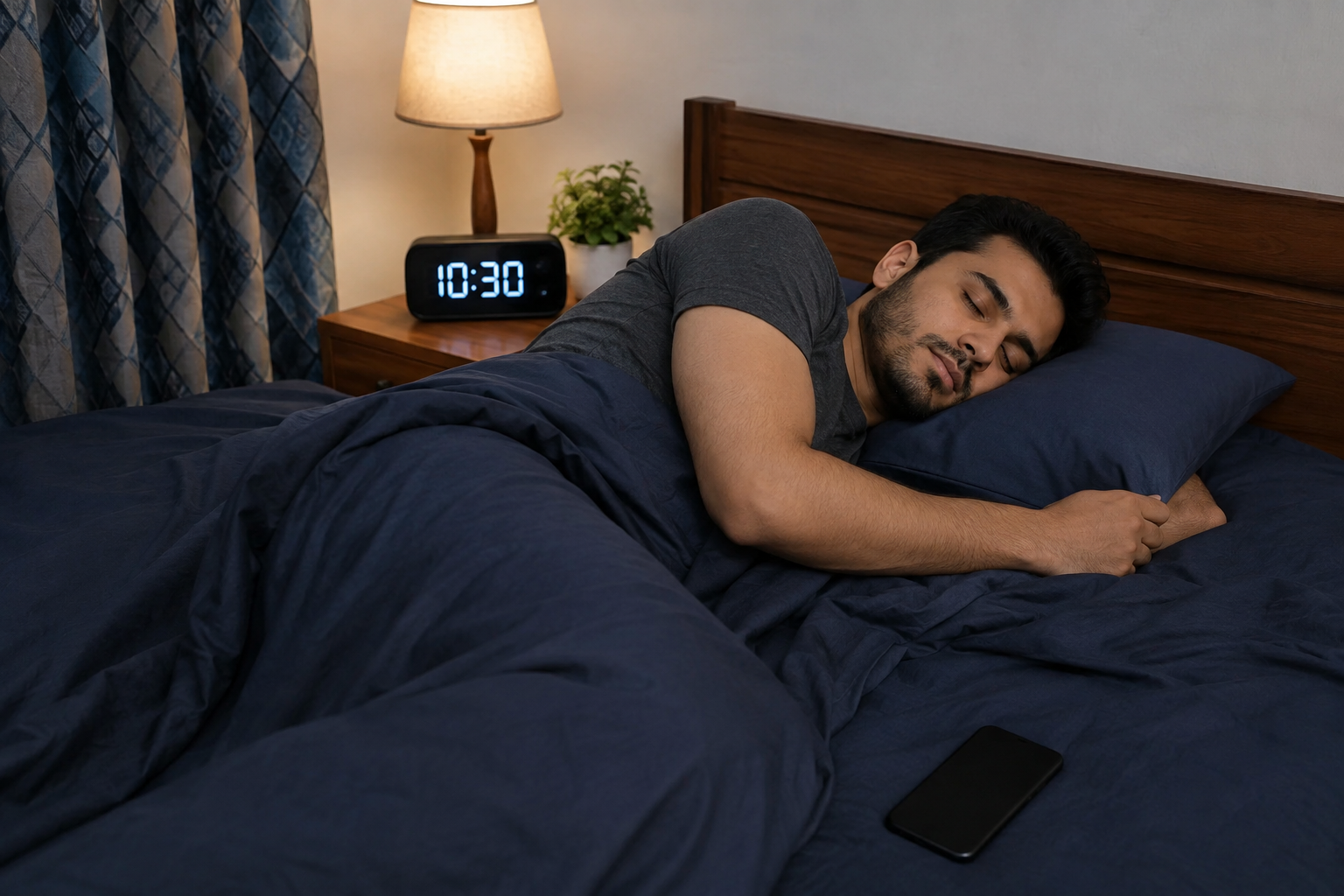
One of the easiest ways to improve sleep is by going to bed and waking up at the same time every day.
Your body follows a natural internal clock known as the circadian rhythm. A regular schedule helps this clock function properly.
Even on weekends, try to avoid staying up very late or sleeping far longer than usual. Consistency helps you fall asleep faster and wake up feeling refreshed.
Limit Screen Time Before Bed
Phones, tablets, televisions, and laptops produce blue light that can reduce melatonin production. Melatonin is the hormone that helps your body prepare for sleep.
Using electronic devices late at night can make it difficult to fall asleep and reduce sleep quality.
Try turning off screens at least one hour before bedtime. Instead, spend that time reading a book, stretching, listening to calm music, or practicing relaxation techniques.
Build a Relaxing Night Routine
A bedtime routine tells your body that it is time to rest.
Simple habits may include washing your face, taking a warm shower, reading a few pages of a book, or practicing deep breathing.
Keeping the same routine every night makes falling asleep easier and improves sleep quality over time.
Avoid Heavy Meals Before Sleeping
Eating a very large meal just before bed can make you uncomfortable and affect your sleep.
Heavy, spicy, or greasy foods may cause indigestion and keep you awake longer.
If you feel hungry before bedtime, choose a light snack such as yogurt, cottage cheese, a banana, or a small handful of nuts.
These foods provide nutrients without making your digestive system work too hard.
Reduce Caffeine in the Evening
Coffee, tea, energy drinks, and some soft drinks contain caffeine that can stay in your body for several hours.
If you drink caffeine late in the day, it may prevent you from falling asleep quickly.
Try to avoid caffeine during the late afternoon and evening. Drinking water or herbal tea instead can help prepare your body for sleep.
Exercise at the Right Time
Regular exercise improves sleep quality for most people. However, very intense workouts right before bedtime may leave some people feeling energized instead of relaxed.
If evening workouts affect your sleep, try exercising earlier in the day.
Morning or afternoon exercise often supports better nighttime sleep while still providing all the fitness benefits.
Make Your Bedroom Comfortable
Your sleeping environment has a big impact on sleep quality.
Keep your bedroom cool, quiet, and dark whenever possible.
Choose a supportive mattress and comfortable pillow. Clean bedding also creates a more relaxing atmosphere.
Removing unnecessary noise and bright lights can help you stay asleep throughout the night.
Stay Hydrated During the Day
Proper hydration supports both fitness and overall health.
Drink enough water throughout the day, but avoid drinking large amounts right before bed. This reduces the need to wake up during the night to use the bathroom.
Balanced hydration helps your body function properly without interrupting your sleep.
Manage Daily Stress
Stress is one of the biggest reasons people struggle to sleep.
A busy mind can make it difficult to relax even when you feel physically tired.
Simple stress management techniques include deep breathing, meditation, light stretching, journaling, or spending a few quiet minutes away from screens before bedtime.
Lower stress levels often lead to deeper and more refreshing sleep.
Avoid Alcohol Before Bed
Some people believe alcohol helps them sleep because it causes drowsiness.
In reality, alcohol often reduces sleep quality and interrupts deep sleep. You may fall asleep faster but wake up feeling less refreshed the next morning.
For better fitness results, it is best to avoid drinking alcohol close to bedtime.
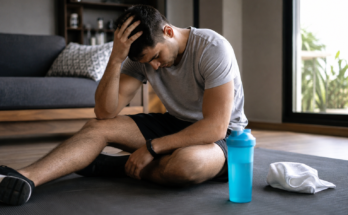
Signs You Are Not Getting Enough Sleep
Many people underestimate how much poor sleep affects their fitness progress.
Common signs include:
Feeling tired throughout the day
Poor workout performance
Slow muscle recovery
Frequent cravings for unhealthy foods
Difficulty concentrating
Low motivation
Mood changes
Getting sick more often
If you notice these symptoms regularly, improving your sleep should become a priority.
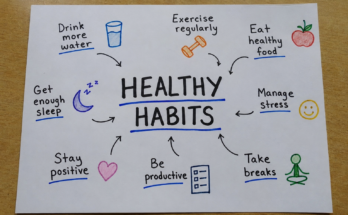
The Connection Between Sleep, Nutrition, and Exercise
Fitness success depends on three important factors working together.
Regular exercise challenges your muscles.
Healthy nutrition provides the fuel your body needs.
Quality sleep allows your body to recover and become stronger.
Ignoring any one of these areas can slow your progress. Think of sleep as an essential part of your fitness plan rather than simply a time to rest.
Simple Tips to Improve Sleep for Better Fitness Results
Start with one or two changes instead of trying to improve everything at once.
Sleep seven to nine hours each night.
Follow a consistent bedtime schedule.
Reduce screen time before sleeping.
Avoid caffeine in the evening.
Create a relaxing bedtime routine.
Keep your bedroom cool and quiet.
Manage stress every day.
Eat balanced meals and stay hydrated.
Exercise regularly.
These simple habits can make a noticeable difference in both sleep quality and fitness performance.
Conclusion
Understanding how to improve sleep for better fitness results can completely change your health journey. Sleep is not wasted time. It is when your body repairs muscles, restores energy, balances hormones, and prepares for your next workout. Even the best exercise program cannot overcome the effects of poor sleep.
Make quality sleep a daily priority alongside healthy eating and regular exercise. Small improvements in your bedtime routine can lead to stronger workouts, faster recovery, better muscle growth, improved fat loss, and higher energy levels. When you consistently sleep well, your body rewards you with better fitness results and improved overall health.