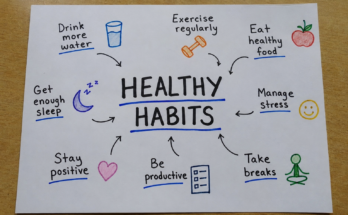

Stress is a natural part of life. Everyone experiences it at different stages, whether it comes from work, family responsibilities, finances, health concerns, or personal challenges. While a small amount of stress can motivate you to perform better, too much stress can affect your physical health, mental well being, and overall quality of life. Learning effective stress management tips can help you stay healthy, happy, and productive.
If you want to live a balanced life, reducing stress should become a daily habit rather than something you only think about when life feels overwhelming. Simple lifestyle changes can make a huge difference in how your mind and body respond to stressful situations.
In this guide, you will discover practical stress management tips that are easy to follow and can improve your overall health naturally.
Why Stress Management Is Important
Stress affects every part of your body. When you are stressed, your brain releases hormones like cortisol and adrenaline. These hormones prepare your body to deal with challenges, but if they remain high for a long time, they can cause serious health problems.
Long term stress may lead to poor sleep, headaches, weight gain, digestive problems, high blood pressure, anxiety, depression, and a weakened immune system. It can also reduce your energy levels and make it difficult to focus on daily tasks.
Managing stress helps you maintain better emotional balance, stronger physical health, and healthier relationships.
Identify the Source of Stress
The first step in stress management is understanding what causes your stress. Many people feel stressed without knowing the exact reason.
Take a few minutes every day to think about situations that make you anxious or frustrated. You may notice patterns such as work deadlines, financial pressure, lack of sleep, unhealthy relationships, or unrealistic expectations.
Keeping a journal can help you recognize these stress triggers. Once you identify them, you can create a plan to deal with them more effectively.
Get Enough Quality Sleep
One of the best stress management tips is improving your sleep routine. Poor sleep and stress create a cycle where each one makes the other worse.
Aim for seven to nine hours of quality sleep every night. Try going to bed and waking up at the same time every day. Keep your bedroom quiet, dark, and comfortable. Avoid using your phone or laptop before bedtime because the blue light from screens can make it harder to fall asleep.
A well rested mind is much better at handling daily challenges.
Exercise Regularly
Physical activity is one of the most effective ways to reduce stress naturally. Exercise helps your body release endorphins, which are chemicals that improve mood and reduce stress.
You do not need an intense workout to experience the benefits. Even a thirty minute walk, cycling, swimming, yoga, or light stretching can help relax your body and clear your mind.
Regular exercise also improves sleep quality, boosts confidence, and increases energy levels.
Practice Deep Breathing
Deep breathing is a simple technique that calms your nervous system within minutes.
When you feel stressed, sit comfortably and take a slow breath through your nose. Hold it for a few seconds and slowly breathe out through your mouth.
Repeat this process several times. Deep breathing lowers your heart rate, relaxes your muscles, and helps your mind feel more peaceful.
This technique is especially useful before meetings, exams, or stressful conversations.
Eat a Healthy Balanced Diet
Your diet plays an important role in stress management. Highly processed foods, sugary snacks, and excessive caffeine may increase anxiety and energy crashes.
Instead, choose whole foods that provide steady energy throughout the day.
Include fresh fruits, vegetables, lean protein, whole grains, nuts, seeds, and healthy fats in your meals. Foods rich in magnesium, omega three fatty acids, and B vitamins may also support better brain function and emotional health.
Drinking enough water is equally important because dehydration can affect mood and concentration.
Limit Caffeine and Sugar
Many people rely on coffee and sugary drinks when they feel stressed, but too much caffeine and sugar can make anxiety worse.
Excess caffeine may increase your heart rate, nervousness, and difficulty sleeping. Sugary foods often provide quick energy followed by a sudden crash, leaving you feeling tired and irritable.
Choose herbal tea, water, or fresh fruit instead of energy drinks or excessive coffee.
Practice Mindfulness Every Day
Mindfulness means focusing on the present moment instead of worrying about the past or future.
Spend a few minutes each day paying attention to your breathing, surroundings, or thoughts without judging them.
Mindfulness helps reduce negative thinking and improves emotional control. It also increases self awareness and allows you to respond calmly during stressful situations.
Even five to ten minutes of mindfulness practice every day can have lasting benefits.
Stay Connected with Loved Ones
Strong relationships provide emotional support during difficult times.
Talk to trusted friends or family members about your feelings. Sharing your concerns can reduce emotional pressure and help you see problems from a different perspective.
Spending quality time with loved ones also creates positive memories and strengthens emotional resilience.
Do not isolate yourself when life becomes stressful. Human connection is one of the most powerful stress management tools.

Learn to Manage Your Time
Poor time management often creates unnecessary stress.
Make a daily schedule and prioritize your most important tasks. Break large projects into smaller steps that feel easier to complete.
Avoid multitasking because it often reduces productivity and increases mental fatigue.
Learning to organize your time allows you to complete tasks more efficiently while reducing feelings of being overwhelmed.
Take Regular Breaks
Working for long hours without rest can increase mental exhaustion.
Short breaks help refresh your brain and improve concentration.
Stand up, stretch, take a short walk, or simply step away from your workspace for a few minutes. Even small breaks throughout the day can reduce stress and improve overall productivity.
Learn to Say No
Many people experience stress because they take on too many responsibilities.
You do not have to accept every request that comes your way.
Respect your personal limits and focus on commitments that truly matter. Saying no politely when necessary protects your mental health and prevents burnout.
Healthy boundaries are an important part of a balanced lifestyle.
Spend Time in Nature
Nature has a calming effect on both the mind and body.
A walk in the park, sitting near a lake, hiking, or simply spending time in your garden can lower stress hormones and improve mood.
Fresh air and natural surroundings help reduce mental fatigue while increasing feelings of relaxation.
Try to spend at least twenty to thirty minutes outdoors several times each week.
Enjoy Your Favorite Hobbies
Hobbies provide a healthy escape from daily stress.
Reading books, painting, gardening, cooking, photography, music, or learning a new skill can improve emotional well being.
Doing something you genuinely enjoy helps your brain relax and creates a positive balance between work and personal life.
Make time for activities that bring you happiness.
Reduce Screen Time
Constant exposure to social media and news can increase stress levels.
Comparing yourself to others or reading negative news throughout the day may create unnecessary anxiety.
Set limits for screen time and avoid checking your phone constantly.
Instead, spend more time on activities that support your physical and mental health.
Practice Gratitude
Gratitude shifts your attention from problems to positive experiences.
Every day, write down three things you are thankful for.
They can be simple moments like enjoying a good meal, spending time with family, or completing a task successfully.
Practicing gratitude regularly improves emotional health and helps build a more positive outlook on life.
Laugh More Often
Laughter is a natural stress reliever.
Watching a funny movie, spending time with cheerful friends, or enjoying lighthearted conversations can improve your mood almost instantly.
Laughter reduces stress hormones while increasing the release of feel good chemicals in your brain.
Finding reasons to smile every day supports both mental and physical health.
Seek Professional Help When Needed
Sometimes stress becomes too difficult to manage alone.
If stress continues for weeks or begins affecting your work, relationships, or daily life, consider speaking with a mental health professional.
Therapists and counselors can provide effective strategies to help you manage anxiety, emotional challenges, and long term stress.
Seeking help is a sign of strength and an important step toward better health.
Build Healthy Daily Habits
Stress management is not about eliminating every challenge from your life. It is about building habits that help you respond calmly and confidently.
Small daily actions such as eating healthy meals, exercising, sleeping well, practicing mindfulness, staying organized, and spending time with loved ones create a strong foundation for emotional well being.
Consistency matters more than perfection. Even small improvements each day can produce lasting results over time.
Conclusion
Learning effective stress management tips is one of the best investments you can make for your health. Stress will always be a part of life, but it does not have to control your happiness or well being. By getting enough sleep, exercising regularly, eating nutritious foods, practicing mindfulness, managing your time wisely, and maintaining healthy relationships, you can build a healthier lifestyle with greater peace of mind.
Start with one or two simple habits today and gradually add more positive changes into your daily routine. Over time, these healthy practices will strengthen your body, improve your mental health, and help you enjoy a happier, more balanced life while successfully managing everyday stress.